A Path to Resilience
Water, Sanitation and Agricultural Resilience in the Southern West Bank
Developed with Mercy Relief, A Path to Resilience 1 & 2 supports households and communities across the southern West Bank by strengthening practical skills in water management, sustainable agriculture, food production, and livestock-related practices.
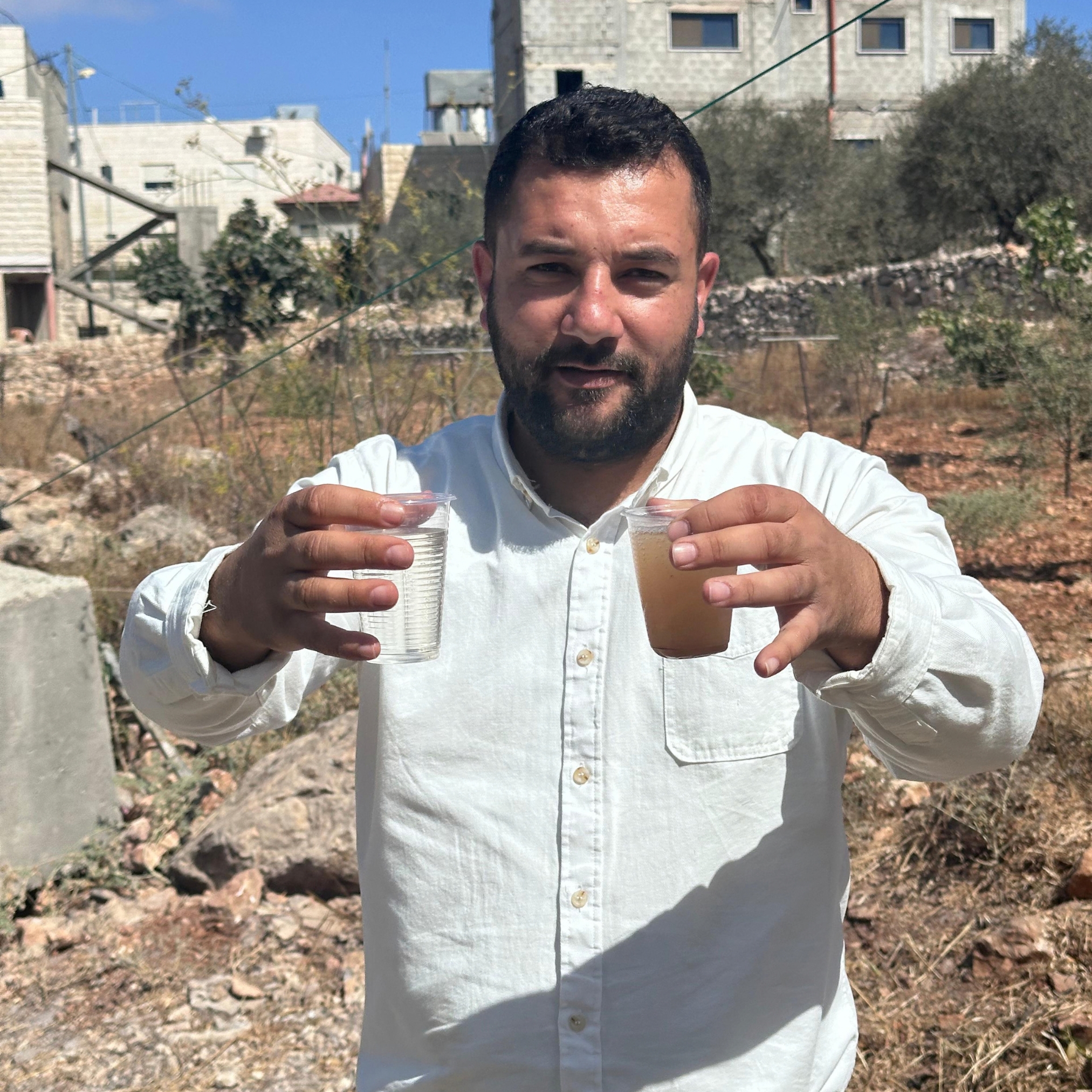
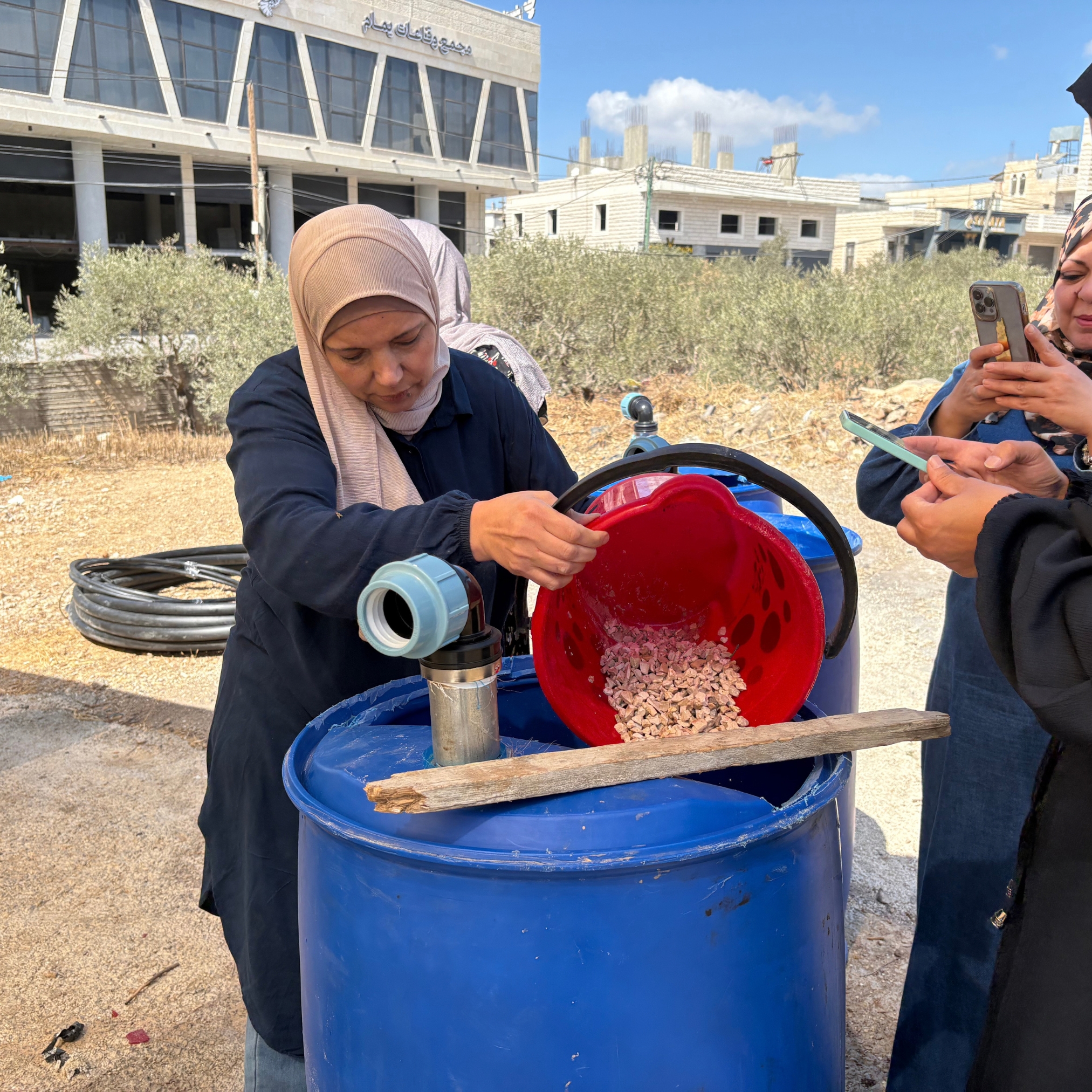
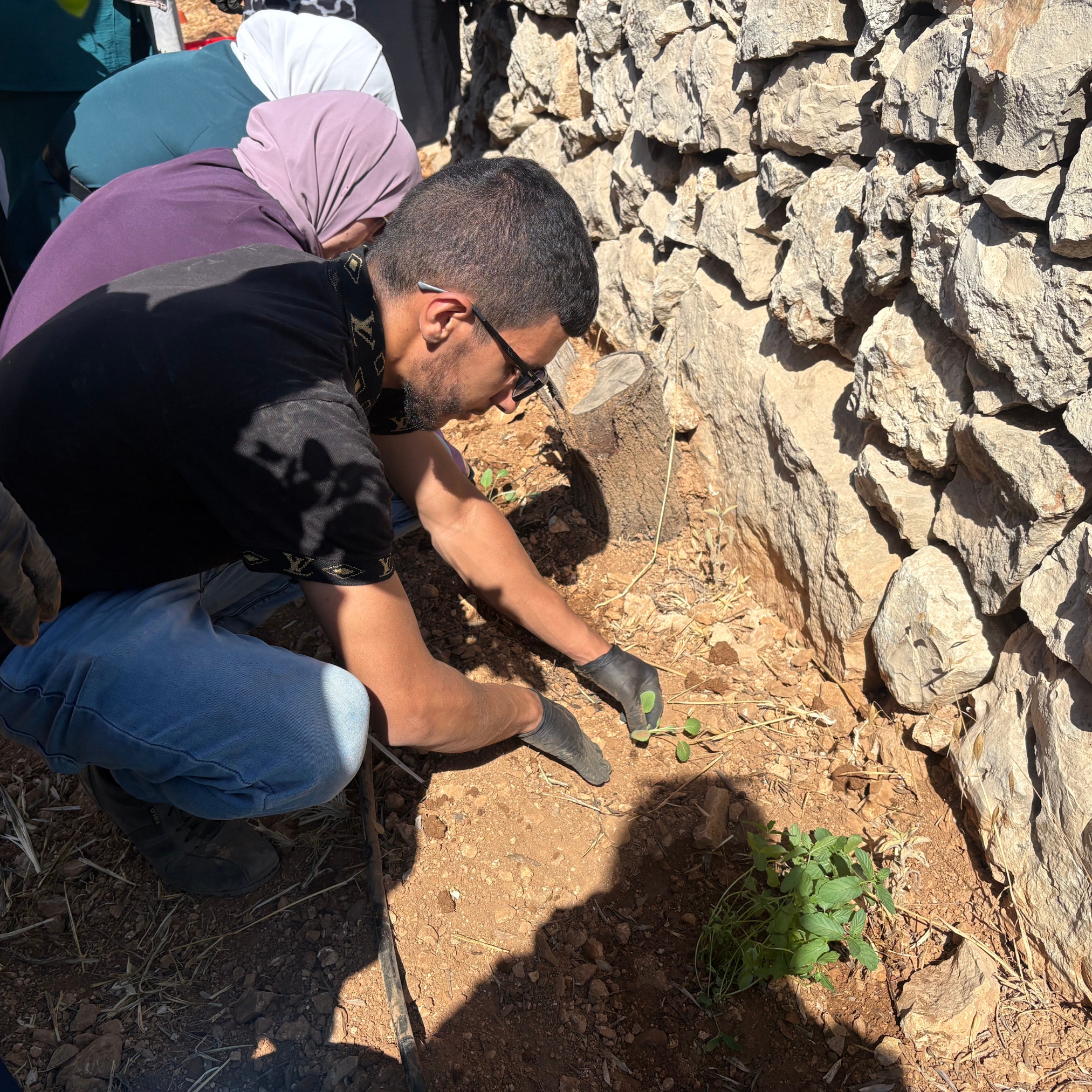
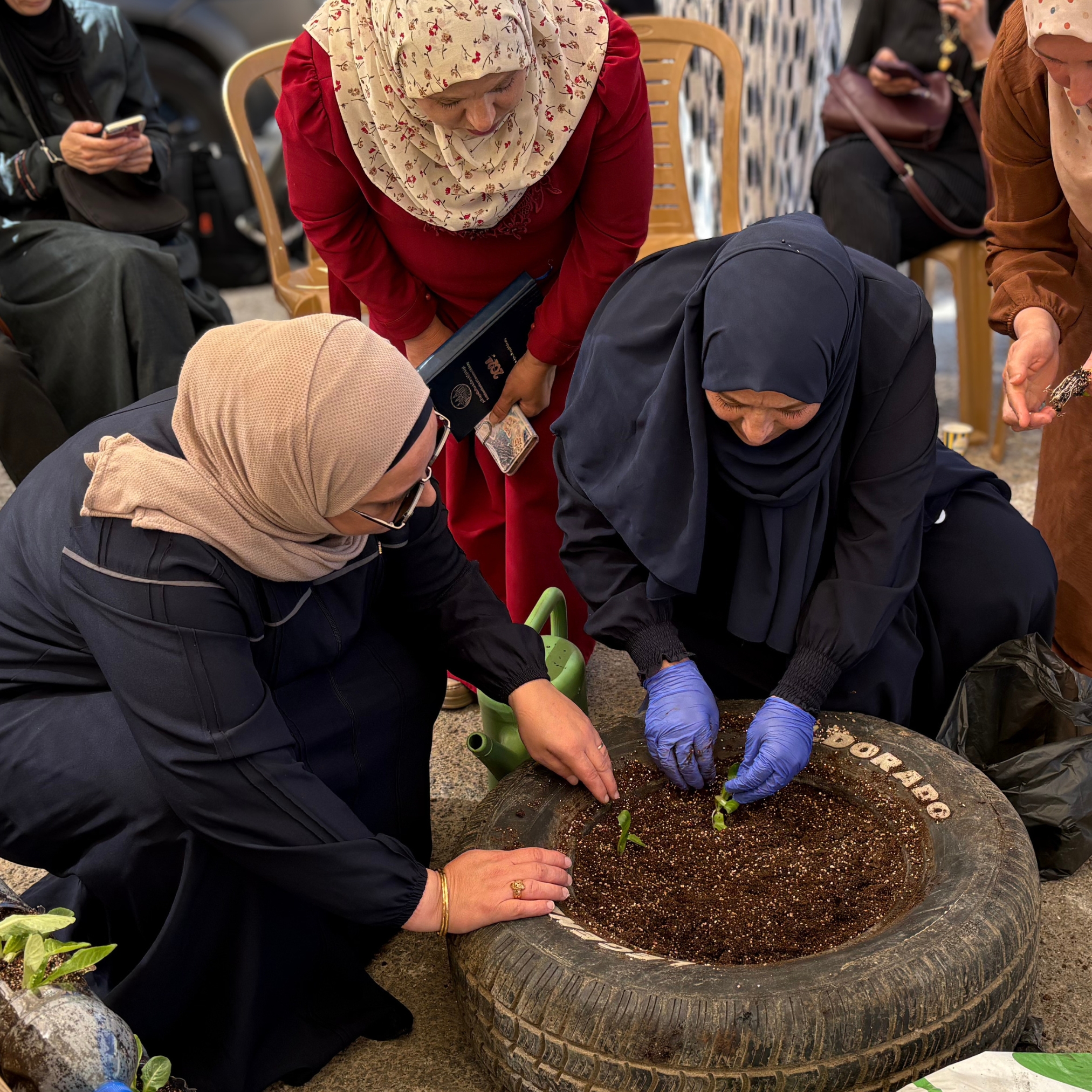
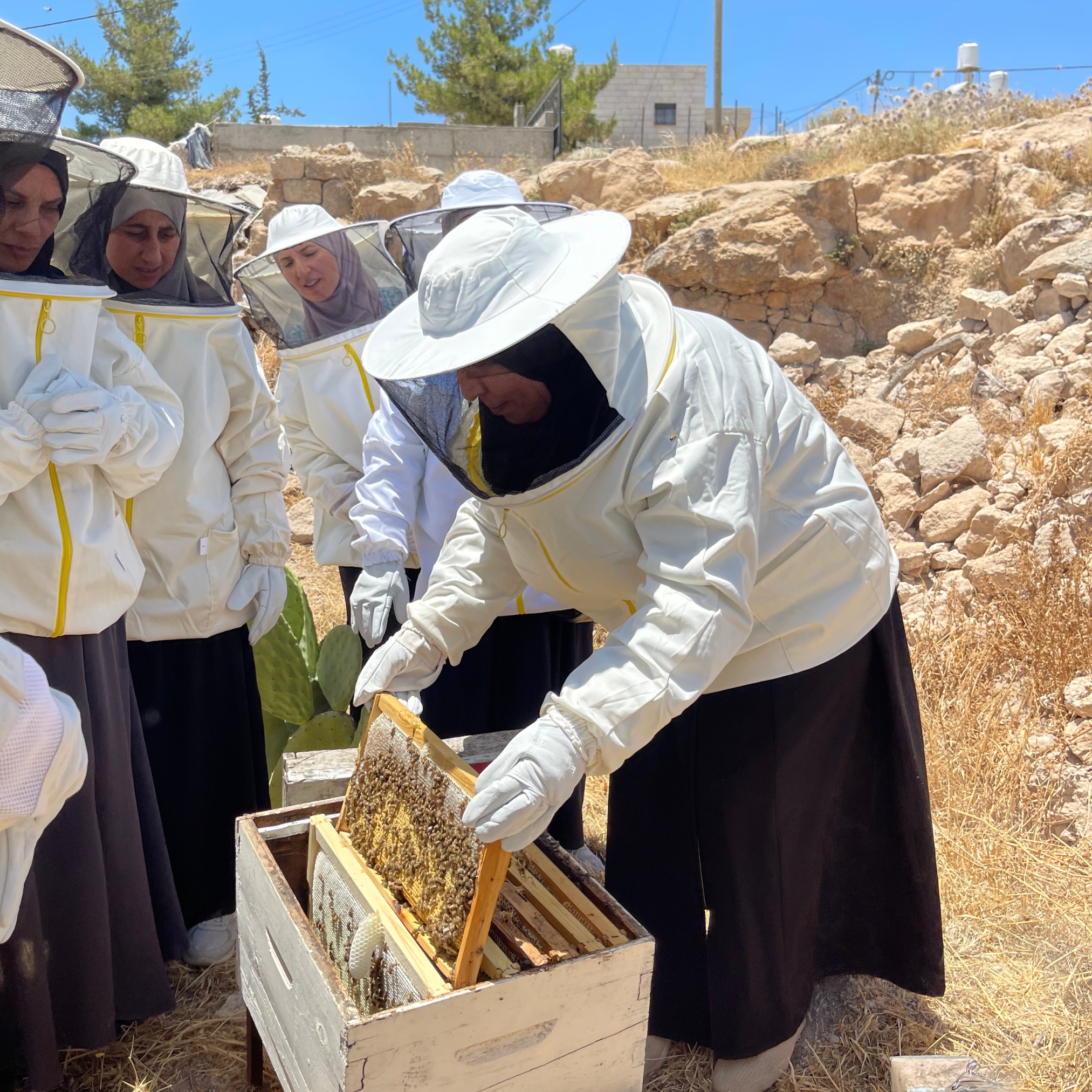
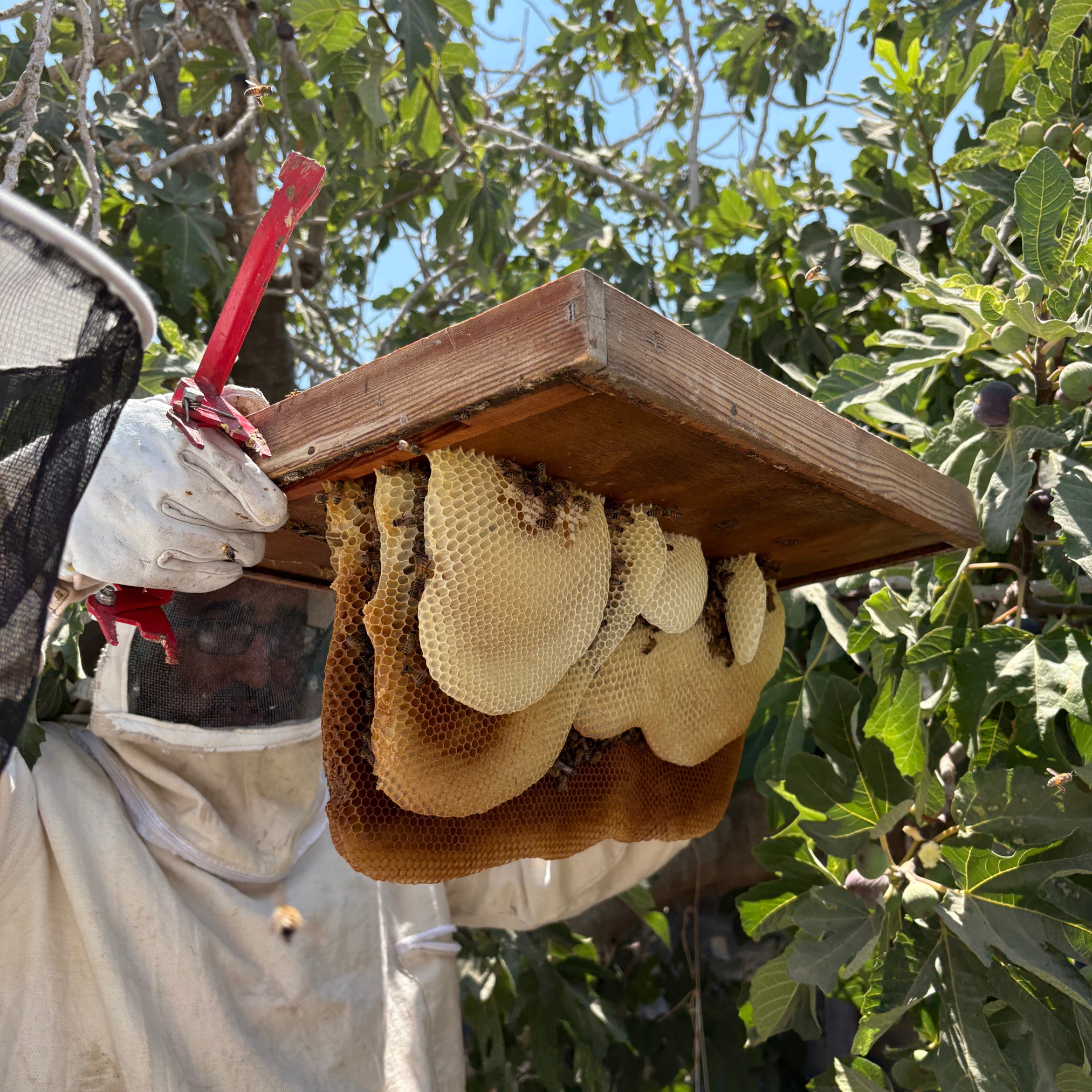
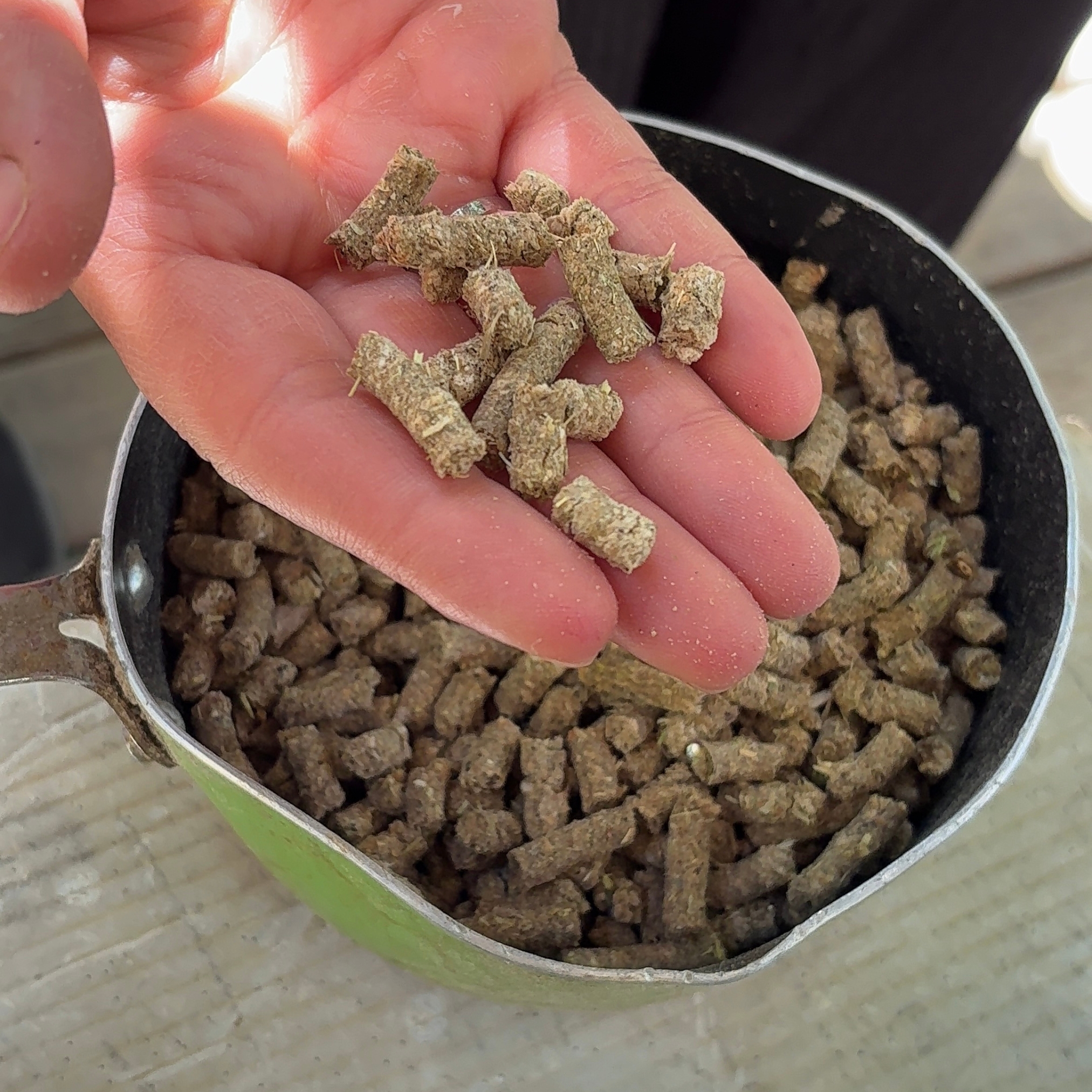
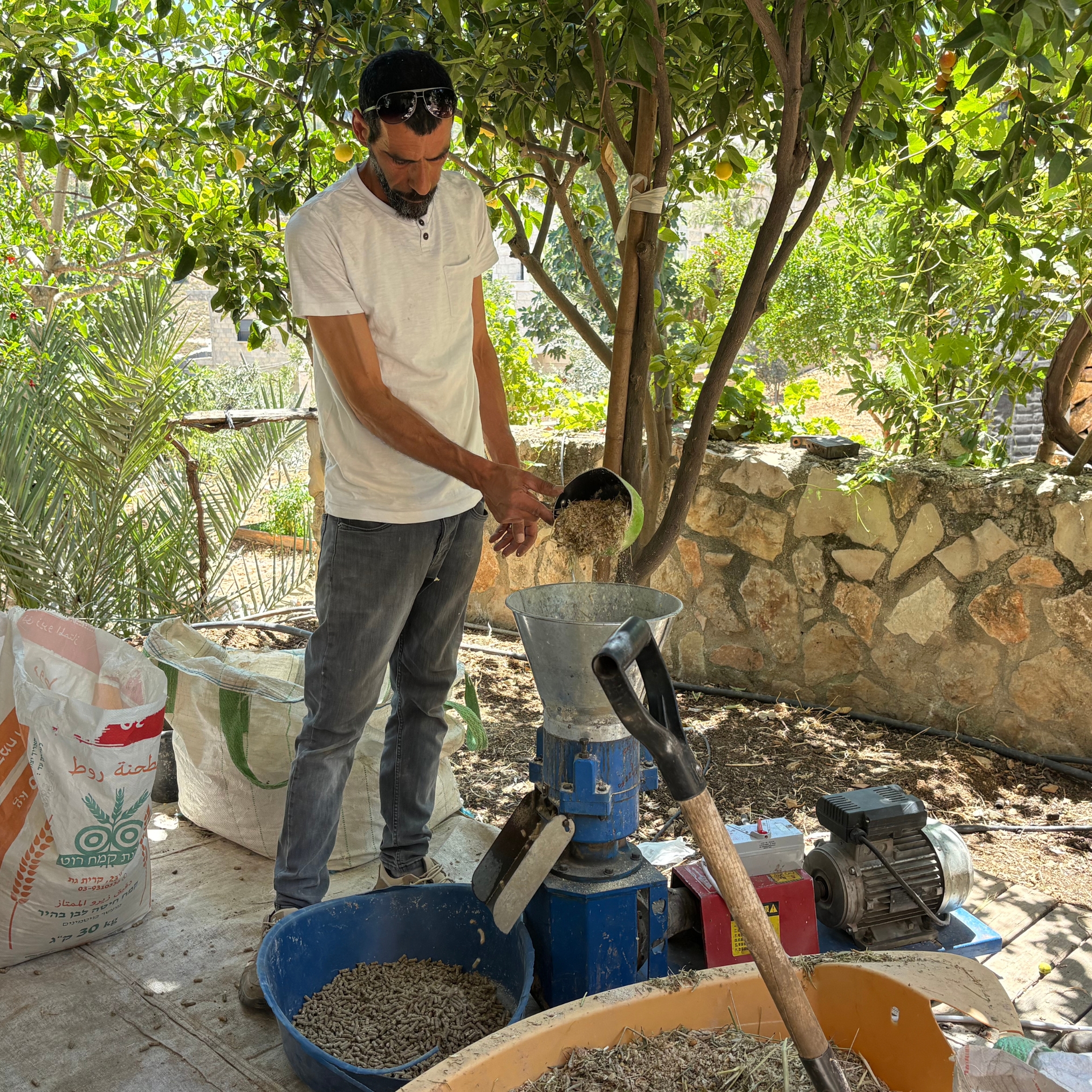
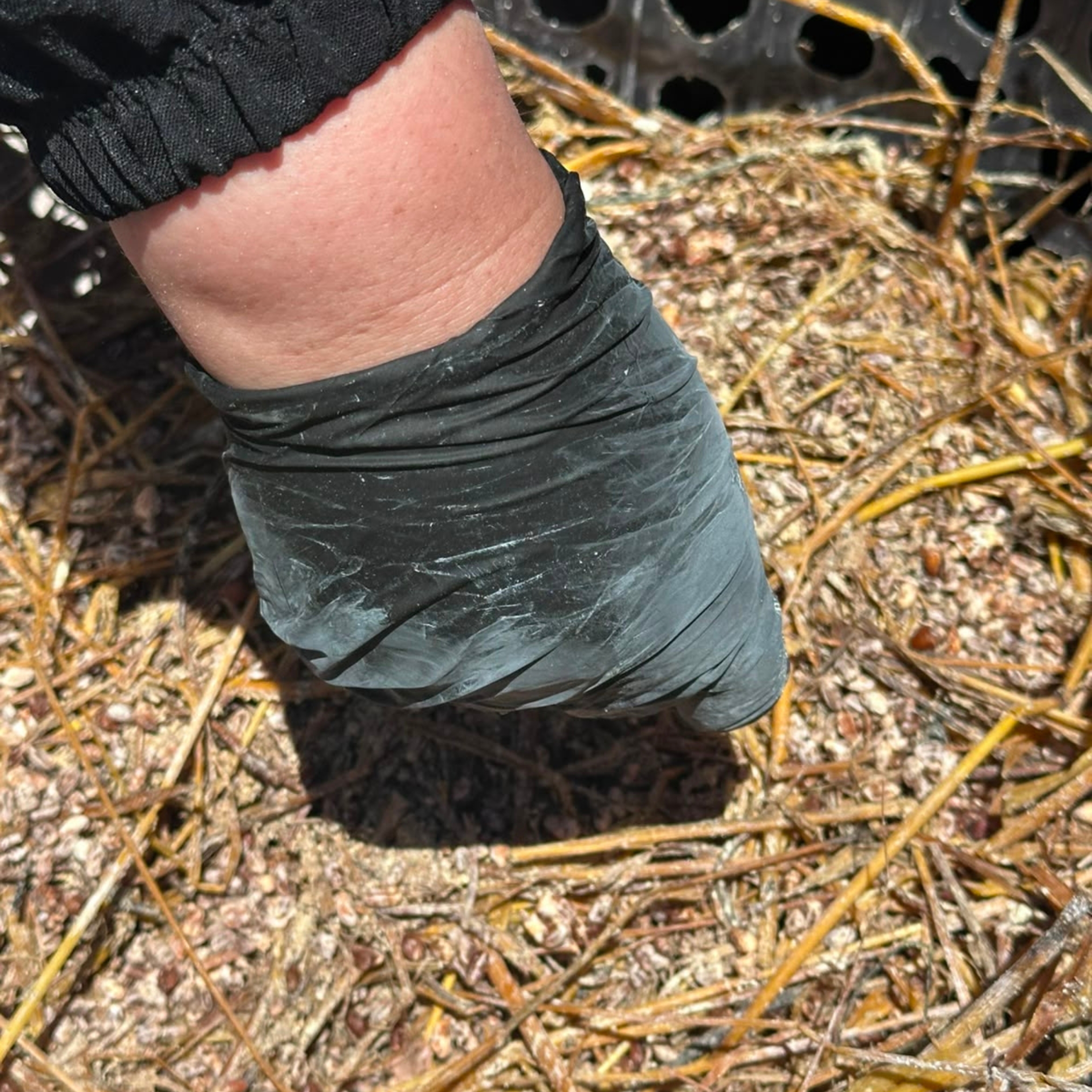
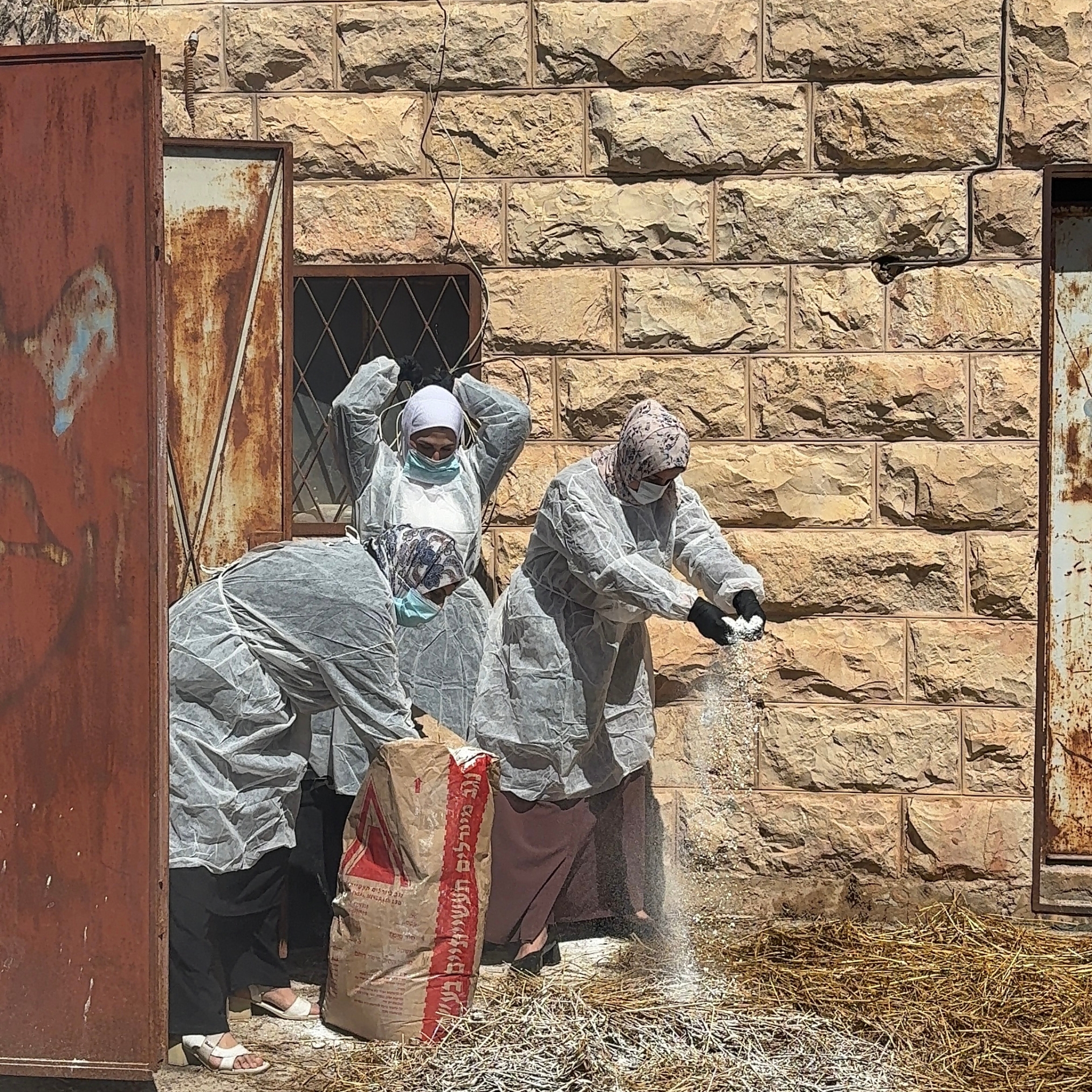
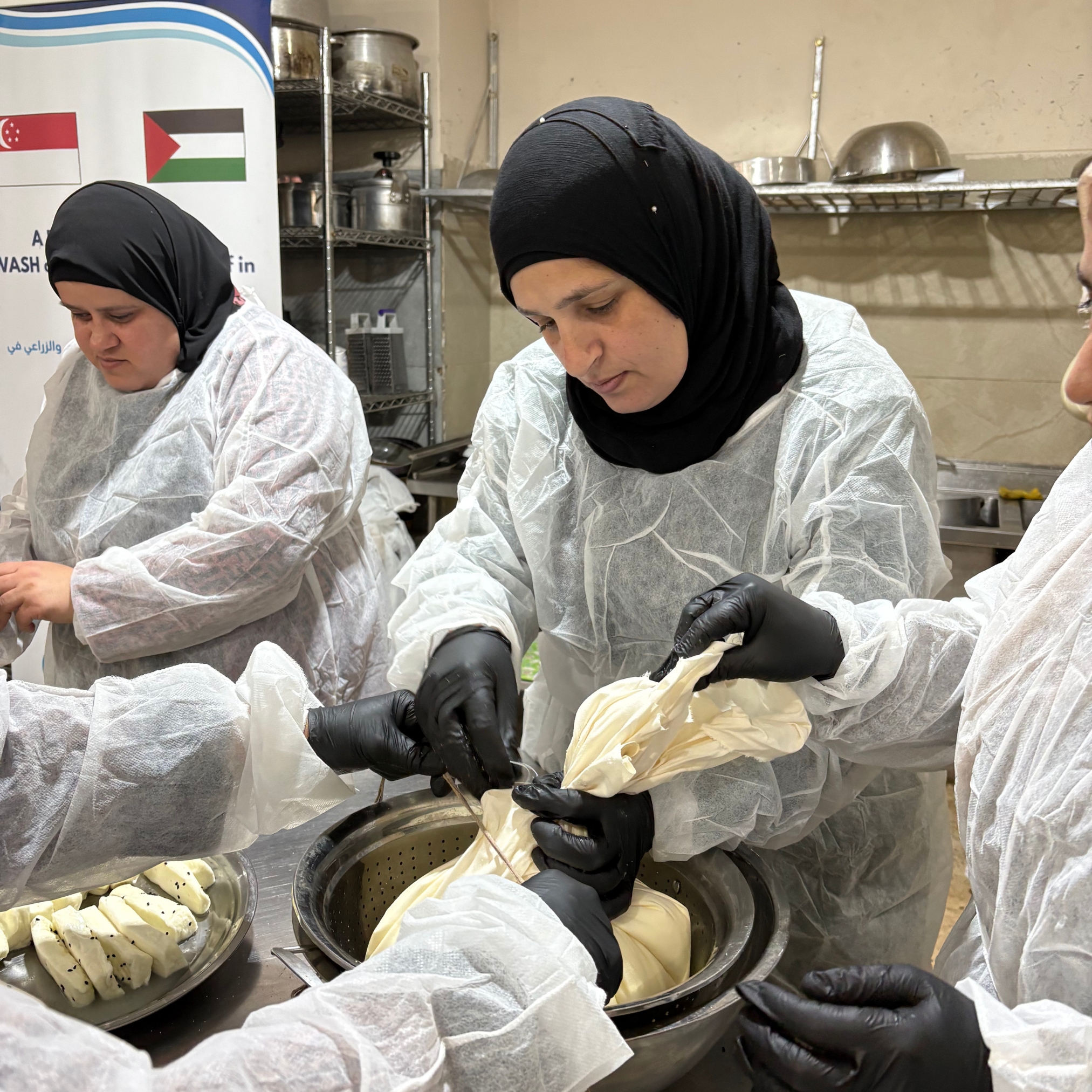
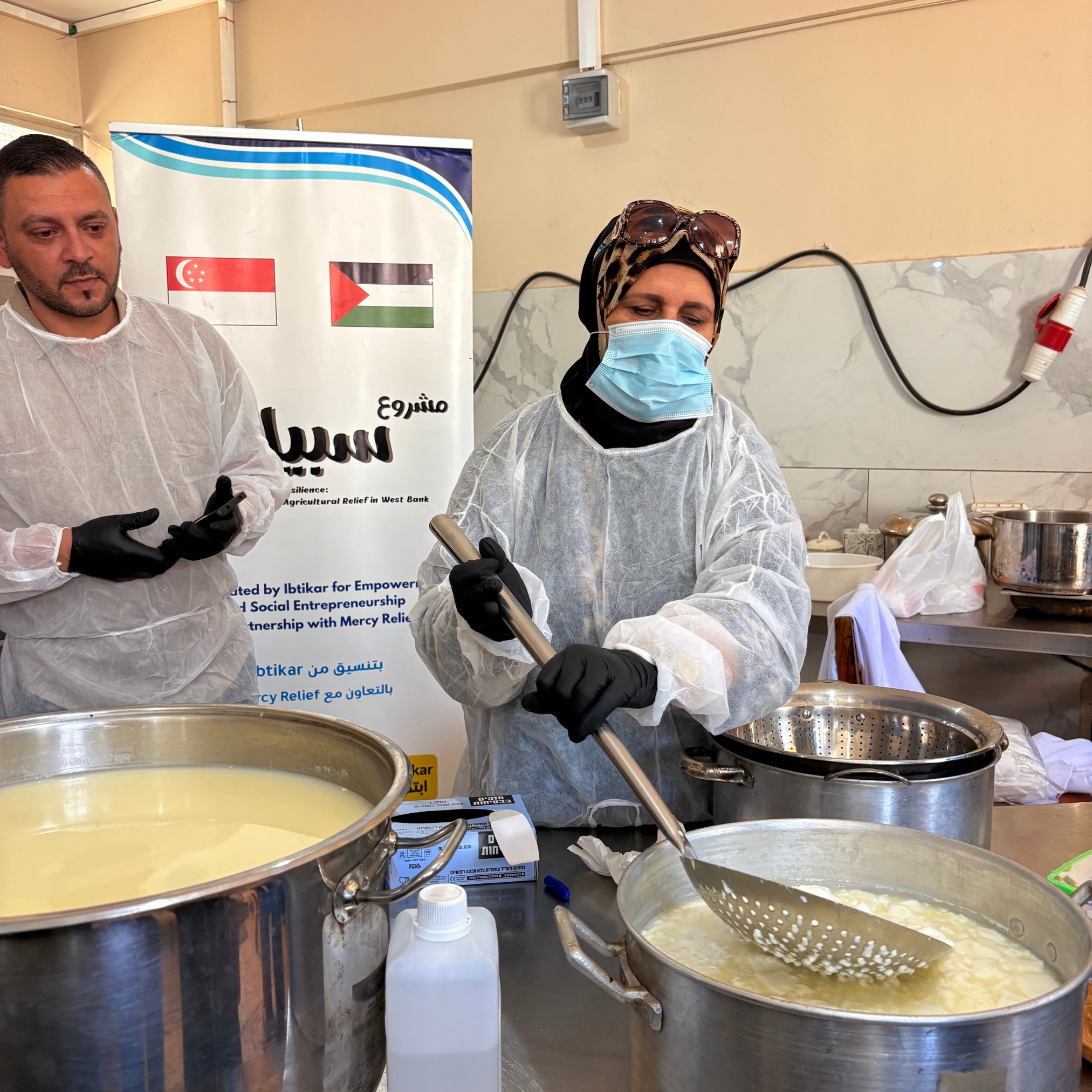
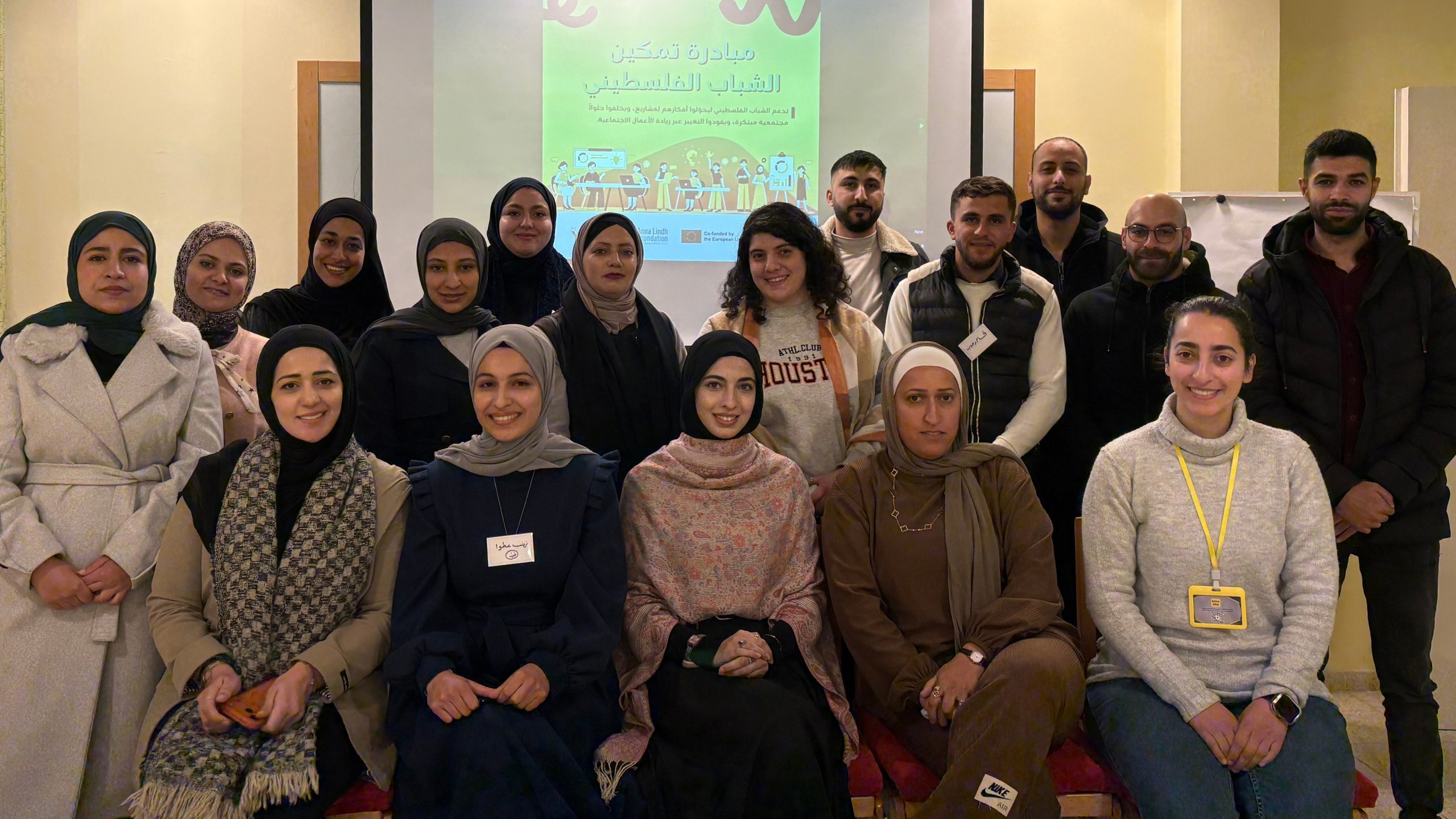
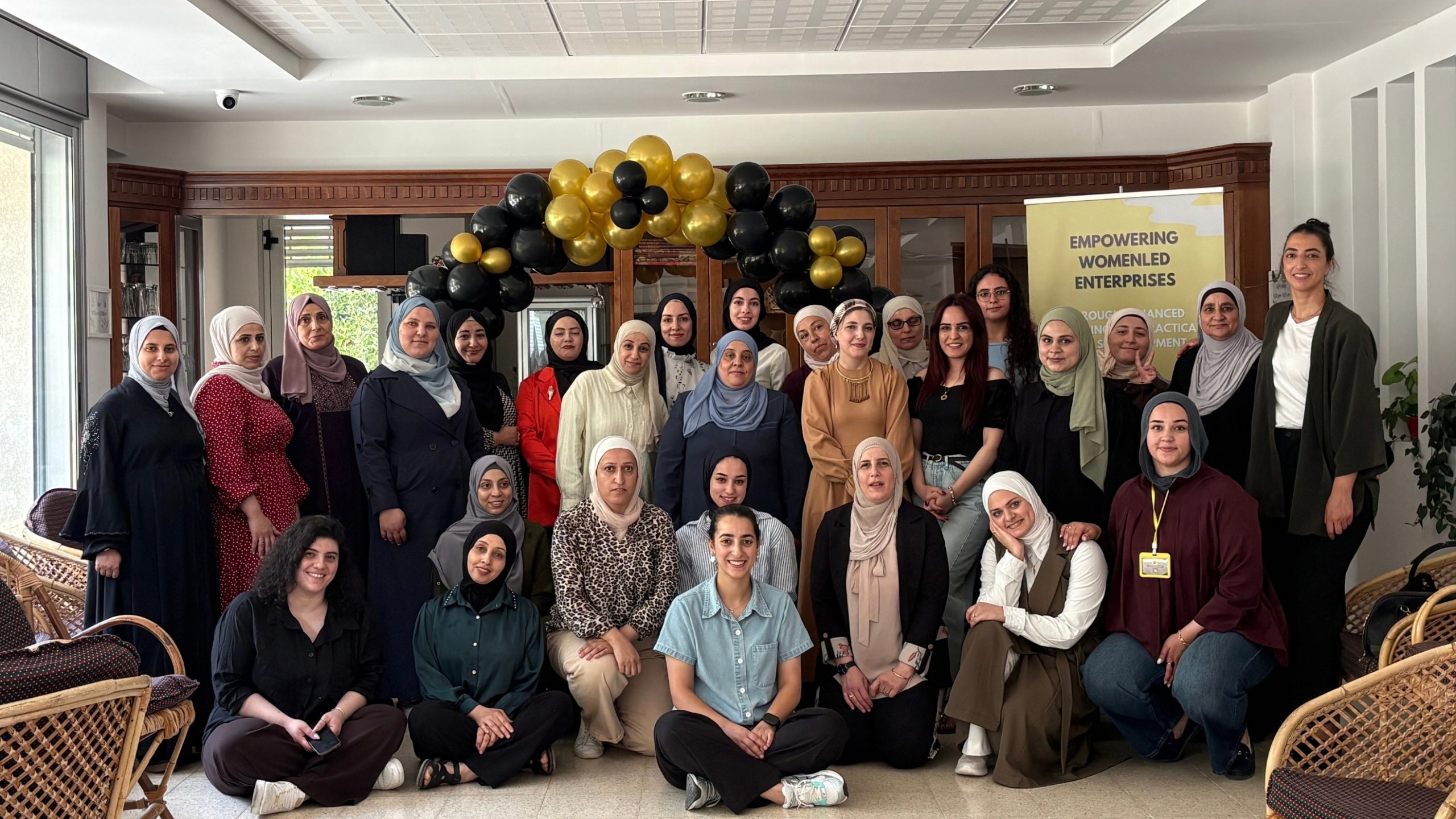
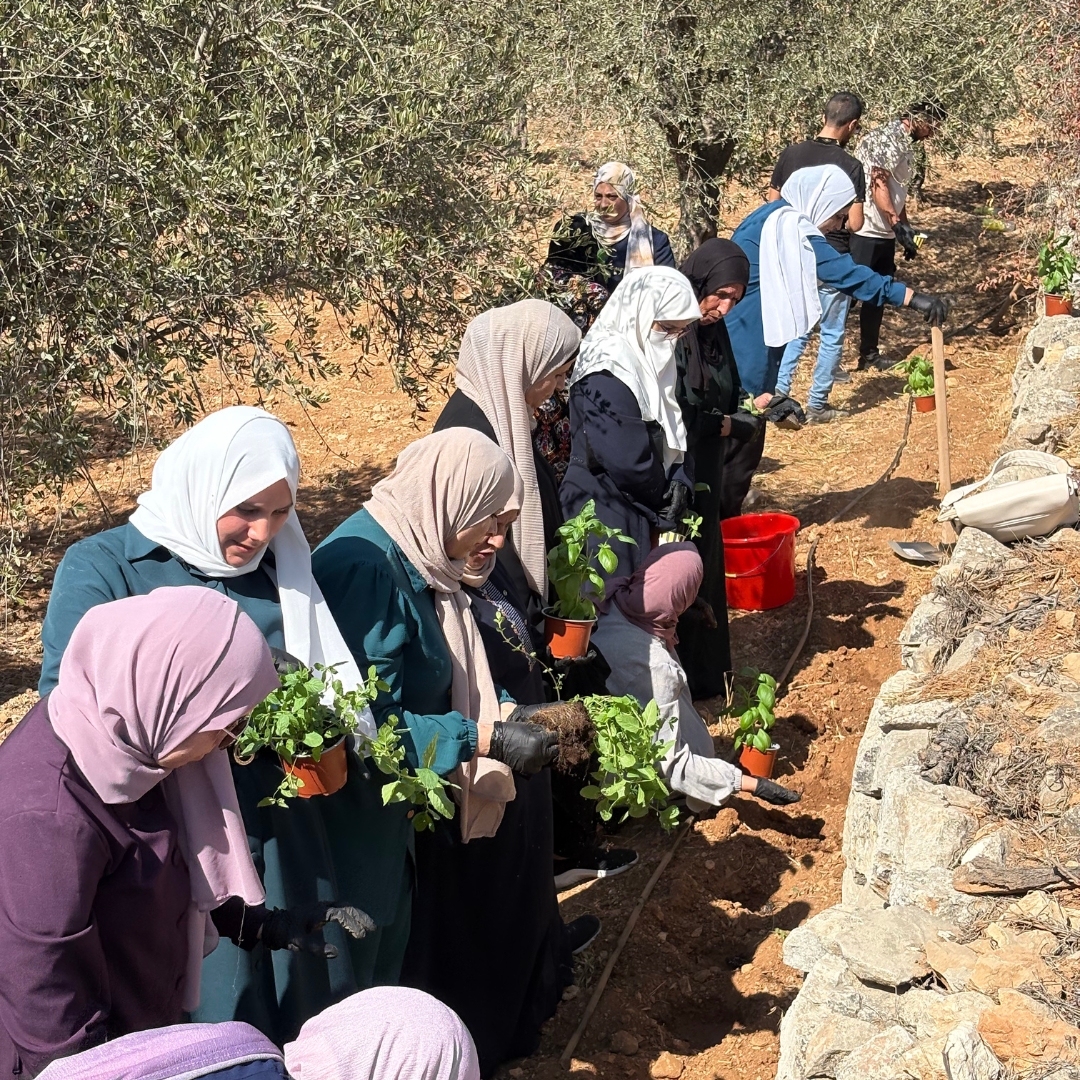
Across Bethlehem and Hebron, Ibtikar delivered hands-on training in WASH infrastructure functionality, greywater treatment and reuse, sustainable agriculture, mushroom cultivation, beekeeping and honey production, household-waste recycling for animal feed, and basic dairy production.
The programme combines practical learning with access to relevant tools, materials, and agricultural inputs, enabling participants to apply new knowledge within their households and communities. Training activities focus on practical solutions that can contribute to reducing household costs, improving food security, strengthening sustainable environmental practices, and creating potential income-generating opportunities.
During 2026, training activities were delivered in several locations, including Bethlehem, Battir, and Hindaza, covering water and sanitation practices, sustainable agriculture, mushroom production, beekeeping, animal-feed production, and dairy processing.
A key feature of the programme is its ability to respond to emerging community needs. When participants identified water scarcity and the need for practical water-saving solutions as pressing concerns, Ibtikar introduced an additional training on greywater treatment and reuse, although it had not been included in the original project plan. This addition responded directly to local needs and provided participants with practical approaches to making better use of limited water resources at household and community levels.
The programme builds on the achievements of its earlier phase. In 2025, the project distributed 50 WASH toolkits, 50 agricultural-input packages, and 60 livestock kits, while providing practical training to 495 participants. Project records reported approximately 3,700 people reached directly and indirectly through its activities and household-level impact.
Through A Path to Resilience, Ibtikar continues to move beyond short-term training towards sustainable application, supporting participants to turn practical knowledge into stronger households, improved livelihoods, and opportunities for collective, community-based enterprises.