Conflict or Bullying? How to Tell the Difference
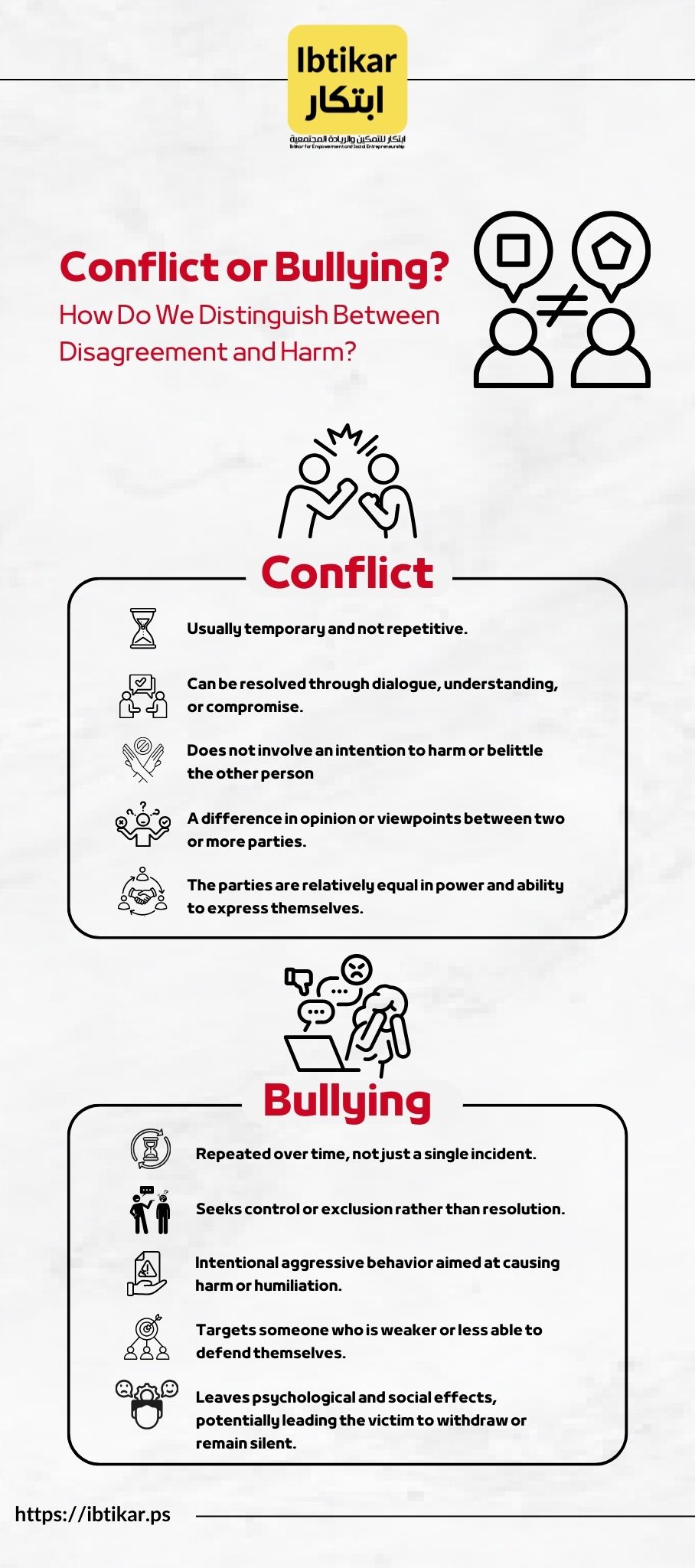
Not every disagreement is harmful but not every harmful interaction is just a disagreement.
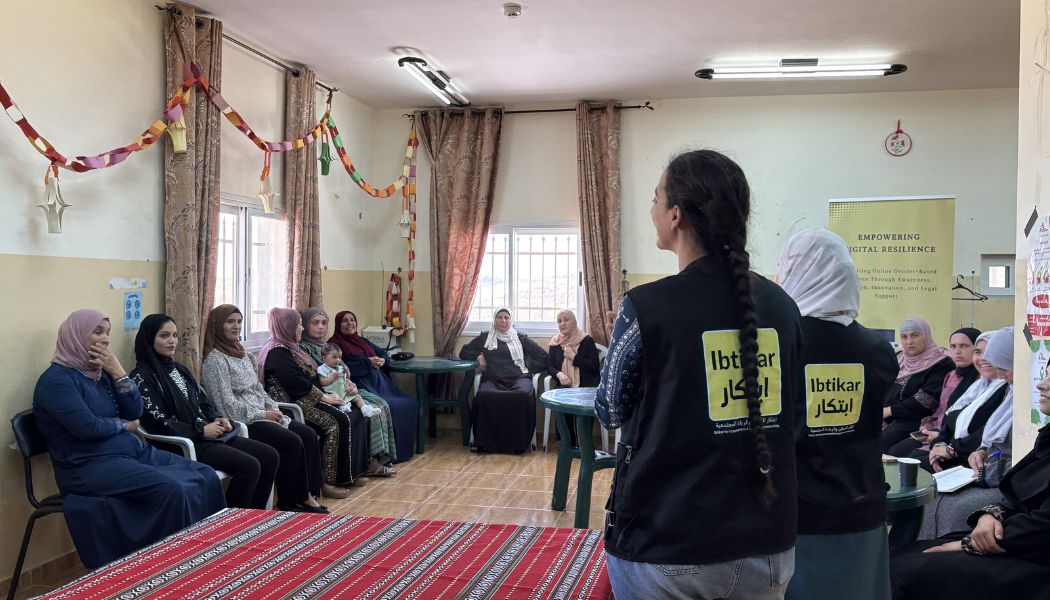
This awareness piece explains the key differences between conflict and bullying, helping individuals, families, educators, and communities recognize when a situation can be resolved through dialogue and when it requires protection and intervention.
What Is Conflict?
Usually temporary and situational, not ongoing.
Can be resolved through dialogue, understanding, or mediation.
No intention to harm, insult, or dominate the other person.
Involves differences in opinions or perspectives between two or more parties.
Power between parties is relatively balanced, and both can express themselves.
What Is Bullying?
Repeated behavior over time, not a one-time incident.
Aims to control, dominate, or harm the victim.
Intentional and hostile behavior, including humiliation or abuse.
Targets individuals who may have less ability to defend themselves.
Causes psychological and social harm, often leading to isolation or silence.
Cyberbullying & Online Harassment of Children
Online harm is real protection starts with awareness. Learn how to identify cyberbullying and online harassment, protect children, and take action when abuse occurs.